

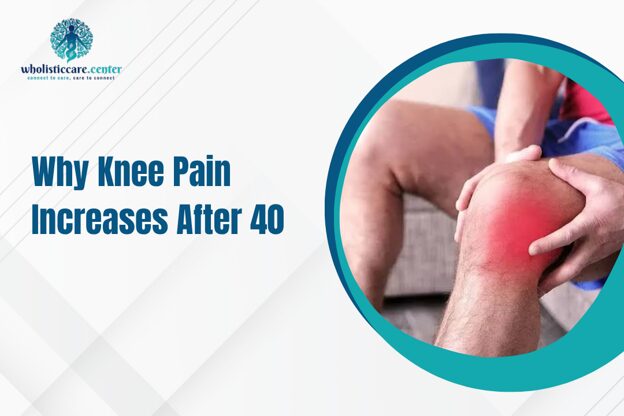
After the age of 40, many people may start to experience knee pain. Initially this can cause some stiffness as you climb the stairs, or as you step up onto a chair, and over time this can progress to chronic pain that impacts your daily life. Although there is undoubtedly a factor of aging, knee pain is not an inevitable consequence of growing older.
There are several factors, such as slow cartilage degradation, prior injuries, weight, loss of muscle mass and some medical issues, that can raise the risk of knee pain after the age of 40. The positive is that early detection and treatment can help to reduce symptoms, enhance mobility, and postpone the damage to the joints. .
According to Dr. Saurabh Talekar, orthopedic specialist, knee pain should not be dismissed as “normal aging.” Identifying the underlying cause early allows patients to benefit from conservative treatments, lifestyle changes, and timely interventions before the condition progresses.
Why Does Knee Pain Become More Common After 40?

The knee is a large weight bearing joint and over time, the constant aggravation of the cartilage, the ligaments and muscles surrounding the knee joints can cause stress in the knee. As we age these tissues naturally change and can cause joint pain and damage.
These are some of the common changes such as:
- Gradual thinning of the protective cartilage
- Reduced production of joint-lubricating fluid
- Weakness affecting the muscles that work with the knee.
- Slower healing after minor injuries
- A higher risk of developing osteoarthritis.Greater risk of developing osteoarthritis.
Not all of these changes impact everyone the same way. Keeping the knee muscles strong, maintaining a healthy weight, and being physically active can go a long way in preventing chronic knee pain.
Common Causes of Knee Pain After 40
There are a variety of conditions that may cause knee pain following age 40, and the specific cause is crucial in determining the best treatment.
Osteoarthritis
Knee pain is most frequently caused by osteo-arthritis in middle-aged and older people. It is when the cartilage that provides cushioning between the knee begins to deteriorate and causes pain, stiffness, swelling and lack of movement.
Meniscus Degeneration
The meniscus acts as a shock absorber inside the knee. With age, it becomes less flexible and more prone to small tears, sometimes even after minor twisting movements.
Previous Knee Injuries
Old ligament injuries or untreated meniscus tears may become symptomatic years later, especially as joint stability decreases with age.
Patellofemoral Pain Syndrome
Often the pain is felt when climbing stairs, squatting or standing after sitting for extended periods.
Tendinitis and Bursitis
Inflammation of the tendons or bursae around the knee may develop from repetitive movements, prolonged kneeling, or overuse.
Inflammatory Arthritis
Conditions such as rheumatoid arthritis can affect the knee joint, causing pain, swelling, and prolonged morning stiffness.
If the knee pain persists for weeks or recur, the knee pain should be seen by a doctor. Talk to an orthopedic doctor to get to the root of the problem early and start the appropriate treatment before the joint is damaged.
Risk Factors That Increase Knee Pain After 40
While age increases the likelihood of knee problems, several other factors can further raise the risk.
Common risk factors include:
- Excess body weight, which increases pressure on the knee joints
- Sedentary lifestyle and weak thigh muscles
- Previous sports or accident-related knee injuries
- Occupations requiring prolonged standing, squatting, or heavy lifting
- Family history of osteoarthritis
- Diabetes and metabolic disorders
- Vitamin D deficiency
- Poor posture or abnormal walking patterns
These risk factors can be controlled with exercise, weight management and periodic orthopedic exams, helping to maintain the function of the knee for years and years.
Treatment Options for Knee Pain After 40

Treatment depends on the underlying diagnosis, severity of symptoms, and the patient’s lifestyle and activity goals.
For many patients, conservative treatment provides significant relief without surgery.
Common treatment options include:
- Activity modification to reduce excessive joint stress
- Weight management to decrease pressure on the knees
- Physiotherapy focusing on strengthening the quadriceps and improving flexibility
- Anti-inflammatory medications when appropriate
- Knee braces or supportive devices for stability
- Image-guided injections, such as corticosteroid or hyaluronic acid injections, in selected cases
When significant cartilage damage or advanced arthritis causes severe pain and reduced mobility, surgical procedures—including arthroscopy, partial knee replacement, or total knee replacement—may be recommended after careful evaluation.
Maintaining regular low-impact exercises such as walking, cycling, swimming, and strength training can also help improve joint function while reducing stiffness.
If you’re suffering from knee pain, don’t let it stop you from enjoying your life.Book an appointment with an orthopedic doctor to get a correct diagnosis and tailored treatment plan that will keep you moving comfortably.
Frequently Asked Questions
1. Is knee pain after 40 always due to arthritis?
No. While it’s normal to experience some knee pain, it can also be caused by a variety of other conditions, such as injuries to the tendons, meniscus degeneration, bursitis, ligament problems, and inflammatory arthritis.
2. Can knee pain improve without surgery?
Yes. Physiotherapy, exercise, weight loss, medications and lifestyle changes have proven to be very effective in many patients.
3. When should I see an orthopedic specialist?
If the pain persists for more than 2 weeks, is interfering with daily activities, is swelling, is unstable or makes walking difficult, you should seek medical evaluation.
4. Does being overweight worsen knee pain?
Yes. The extra load on the knee joints puts greater strain on the cartilage and the risk of cartilage wear and osteoarthritis increases.
5. Is walking good for knee pain?
Most patients would benefit from moderate walking and other low impact exercises. But, exercise should be individualized and adjusted to the conditions and symptoms.
