


Knee Replacement for Diabetic Patients
Diabetes affects approximately 77 million adults in India, many of whom also develop knee osteoarthritis over time. Blood sugar control directly influences surgical risk, wound healing, and post-operative infection rates in knee replacement. With proper pre-operative management, diabetic patients can safely undergo total knee replacement and achieve good outcomes. According to Dr. Saurabh Talekar, orthopedic surgeon in Kandivali, “Diabetes doesn’t rule out knee replacement. What it does is raise the bar for preparation. Patients who come in with well-controlled blood sugar and a proper plan do just as well as non-diabetic patients in most cases.”
Can Diabetic Patients Undergo Knee Replacement Surgery?
Diabetic patients can and do undergo knee replacement surgery successfully. The condition itself isn’t a disqualifier. What matters is how well it’s managed going into the procedure.The key threshold most orthopaedic surgeons work with is an HbA1c below 7.5 to 8% before surgery. Patients above that threshold face meaningfully higher rates of wound complications, delayed healing, and infection. Getting that number down before booking a surgery date isn’t a formality — it directly changes what’s achievable on the other side.Most diabetic patients who present for knee replacement have lived with the condition for years and understand their own management. The surgical consultation is about confirming control is adequate, identifying any comorbidities that need attention, and building a pre-operative plan that accounts for how the body will respond to anaesthesia, the procedure itself, and early recovery. Read more about total knee replacement to understand what the surgery actually involves before deciding anything.
Suffering from knee pain and diabetes? Consult an orthopedic specialist to explore your treatment options.
How Diabetes Affects Knee Health
 The connection between diabetes and knee problems runs deeper than most patients realise. Chronically elevated blood sugar damages small blood vessels and nerves over time. In the knee specifically, this reduces the quality of circulation to the joint and surrounding tissues. Cartilage gets less of what it needs to maintain itself, which accelerates degenerative changes. Diabetic patients tend to develop knee arthritis earlier and progress faster than non-diabetic patients with similar activity levels and body weight.Peripheral neuropathy nerve damage from diabetes also changes how knee pain presents. Some diabetic patients feel less pain than the actual joint damage warrants, which means they often present later, when structural damage is more advanced. Others experience disproportionate pain relative to what imaging shows. Neither pattern is straightforward to manage, which is why a proper clinical assessment matters more than just looking at the X-ray.Body weight compounds everything. Type 2 diabetes and obesity frequently come together, and excess weight accelerates both joint deterioration and the metabolic disruption that makes wound healing harder after surgery. Addressing weight before any intervention surgical or otherwise changes the picture considerably.
Risks of Knee Replacement Surgery in Diabetic Patients
Diabetic patients face a higher baseline risk in any surgical procedure. Knee replacement is no exception, but the risks are manageable with the right preparation.Infection risk: is the most significant concern. Diabetic patients have impaired immune response and slower wound healing. Surgical site infections after knee replacement are more common in poorly controlled diabetics and can range from superficial wound issues to deep joint infections that require revision surgery. Tight perioperative glucose control not just pre-operative HbA1c is critical.Delayed wound healing: follows from the same mechanism. Poor circulation to the skin and subcutaneous tissue means the surgical wound takes longer to close properly. Patients on insulin or with long-standing diabetes need closer post-operative wound monitoring than standard protocols provide.Cardiovascular risk: is elevated because many diabetic patients have concurrent heart disease, hypertension, or both. Pre-operative cardiac clearance is essential, not optional.Deep vein thrombosis risk: is also higher in diabetic patients, partly from altered blood viscosity and partly from reduced early mobility. Anticoagulation protocols and early physiotherapy are both important parts of managing this.None of these risks make surgery impossible. They make preparation non-negotiable. Patients who arrive at robotic knee replacement or conventional surgery with good glucose control, cardiac clearance, and a pre-operative physio programme consistently do better than those who don’t.
Ready for better mobility? Book a knee evaluation and take the first step toward pain-free movement.
Recovery After Knee Replacement for Diabetic Patients
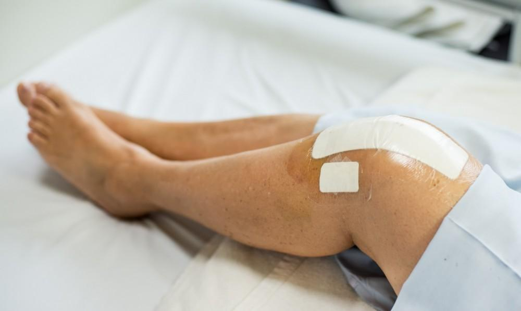 Recovery for diabetic patients follows the same broad arc as non-diabetic patients but with more checkpoints and less room for shortcuts.Early mobilisation: getting up and walking within 24 hours matters just as much for diabetic patients, sometimes more. Staying immobile too long raises clot risk and slows the metabolic normalisation that diabetic patients need. Most patients are weight-bearing the day after surgery with a walker.Physiotherapy: runs for 3 to 6 months post-operatively. Diabetic patients often need the full 6 months rather than the lower end of that range. Neuropathy can affect proprioception the sense of joint position which makes balance training an important component of rehab, not just strength work.Blood sugar monitoring: needs to be more frequent in the weeks immediately after surgery. The body’s stress response to surgery raises glucose levels, and the combination of anaesthesia, pain medications, and reduced activity can destabilise previously controlled diabetes. Daily monitoring and close coordination with the treating physician is part of the post-operative plan.Wound care: needs specific attention. Any redness, warmth, discharge, or delayed closure at the wound site needs to be reported immediately. Diabetic patients shouldn’t wait and see with wound changes the way non-diabetic patients sometimes can.Most diabetic patients who are well-prepared, well-managed perioperatively, and committed to rehabilitation achieve good functional outcomes. Pain relief, improved mobility, and better quality of life are all achievable. It takes a longer runway and more careful management, but the destination is the same. Before surgery, understanding what exercises to do before knee replacement helps diabetic patients arrive better prepared than most.
Frequently Asked Questions
Knee replacement is safe for diabetic patients with well-controlled blood sugar, typically HbA1c below 7.5 to 8% before surgery.
It can. Diabetic patients often need the full 3 to 6 month rehabilitation period and require closer wound and glucose monitoring throughout.
When conservative treatments have failed and joint damage significantly affects daily function, knee replacement is recommended with proper pre-operative diabetic management.
Most surgeons require HbA1c below 7.5 to 8% and stable fasting glucose levels before proceeding with elective knee replacement.
