Tennis Elbow Treatment in Kandivali
Pain on the outer side of the elbow can make simple tasks like lifting objects, shaking hands, or typing uncomfortable. A common cause of this pain is tennis elbow (lateral epicondylitis), a condition caused by irritation of the tendons on the outer part of the elbow due to repetitive strain or overuse.
Despite the name, most people who develop tennis elbow do not play tennis. It often occurs in individuals who perform repeated gripping or wrist movements.
Many cases improve with rest, physiotherapy, and activity modification. However, when pain persists for months despite treatment, it may be considered a recalcitrant tennis elbow. In such situations, Dr. Saurabh Talekar, Orthopedic Surgeon in Kandivali, may recommend advanced treatments such as steroid injections or PRP therapy to help reduce inflammation and promote healing.
Dr. Saurabh Talekar, an experienced Orthopedic Surgeon in Kandivali, Mumbai, provides comprehensive and personalized treatment for frozen shoulder. His approach focuses not only on relieving pain but also on restoring movement safely and effectively, so patients can return to their daily routine with confidence.With early diagnosis and stage-based treatment, Dr. Talekar aims to prevent long-term stiffness and reduce recovery time. Each treatment plan is carefully designed based on the severity of the condition, ensuring patients receive the right care at the right time.
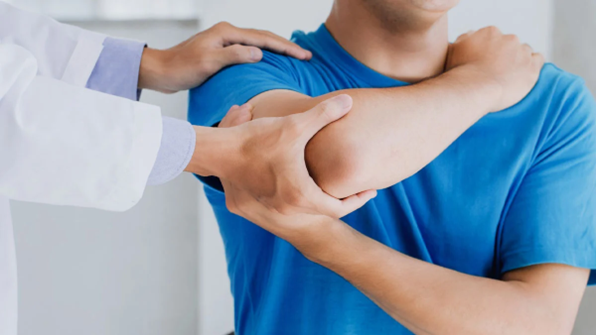
Dr. Saurabh Talekar, a thoughtful Orthopedic Surgeon in Kandivali, shares:
“Tennis elbow is often the result of repetitive strain that many people ignore in the early stages. With timely diagnosis, proper physiotherapy, and activity modification, most patients can recover without surgery. The key is identifying the problem early and choosing the right treatment approach before the tendon damage becomes chronic.”
Experiencing knee discomfort that impacts your daily activities? Consult a qualified orthopedic specialist to explore the best treatment options for your needs.
Get in touch
Treatment Options for Tennis Elbow in Kandivali
Treatment depends largely on how long the symptoms have been present and how severe the condition has become. Someone who has recently developed elbow pain may respond very well to simple conservative measures, while long-standing cases sometimes require more targeted treatment.

Conservative Treatment
Most cases of tennis elbow begin with non-surgical treatment aimed at reducing strain on the tendon and allowing the tissue to recover.
Typical conservative care includes:
- Temporarily reducing activities that trigger elbow pain
- Physiotherapy focused on strengthening and stretching the forearm muscles
- Use of elbow braces or support straps to reduce tendon stress
- Ice therapy to help reduce inflammation after activity
- Short-term anti-inflammatory medications when required
- Correcting workplace ergonomics or repetitive movement patterns
Many patients notice gradual improvement within a few weeks when these measures are followed consistently.

Steroid Injections
When pain remains severe despite proper conservative treatment, steroid injections may be considered.
Steroid injections help reduce inflammation around the irritated tendon and can provide meaningful pain relief, particularly in patients whose symptoms are affecting daily function.
However, they are not typically the first line of treatment. They are usually considered when physiotherapy, rest, and activity modification have not provided sufficient improvement.
PRP Treatment for Chronic Tennis Elbow
Some patients continue to experience elbow pain for several months despite treatment. This is often referred to as chronic or recalcitrant tennis elbow.
For these patients, PRP therapy may be recommended.
PRP involves drawing a small amount of the patient’s blood, concentrating the platelets, and injecting them into the affected tendon. Platelets contain growth factors that help stimulate the body’s natural healing process.
The goal of PRP therapy is to promote tendon repair and improve long-term recovery, especially in cases where the tissue has struggled to heal on its own.
It is not a quick fix and is recommended only when the clinical situation suggests it could be beneficial.
Symptoms of Tennis Elbow
Tennis elbow often develops gradually, beginning as a mild ache on the outer elbow that slowly worsens and starts to interfere with everyday movements.
Watch out for:
- Pain or a burning feeling on the outside of the elbow
- Grip strength that feels weaker than it used to
- Trouble lifting even light objects without discomfort
- Pain when turning a doorknob or shaking hands
- Discomfort with tools, a mouse, or sports equipment
- Symptoms that get noticeably worse with repetitive movements
If this has been going on for several weeks — or it’s starting to affect your work or sleep — don’t keep waiting for it to sort itself out.
Benefits of PRP Treatment for Tennis Elbow

What makes PRP different from most other treatments is that it’s not just about managing symptoms. It’s about giving the damaged tissue what it needs to actually repair itself.
A few things worth knowing:
- It uses your own blood, so there’s no risk of rejection or allergic reaction
- The growth factors target the tendon directly and stimulate real tissue repair
- The procedure itself is minimally invasive — no surgery, no hospital stay
- Recovery time is significantly shorter than any surgical route
- For chronic cases specifically, results tend to hold up well over time
It’s not appropriate for everyone, and we’d never recommend it as a first step. But when the usual approaches haven’t worked, PRP gives us a genuinely useful option.
If your elbow pain isn’t improving, a proper evaluation can help determine whether physiotherapy, injections, or advanced treatment may help.
Why Choose Dr. Saurabh Talekar for Tennis Elbow Treatment?
Elbow pain might seem straightforward, but accurately diagnosing the cause and choosing the right treatment approach is essential for lasting relief.
Accurate Diagnosis
A detailed clinical evaluation helps identify whether the pain is truly tennis elbow or another elbow condition that may require a different approach.
Conservative Treatment First
The priority is always to resolve the problem without invasive procedures whenever possible through physiotherapy, activity modification, and proper support.
Advanced Treatment Options
For stubborn cases that do not improve with routine care, targeted treatments such as steroid injections or PRP therapy are available.
Personalized Treatment Plans
Each patient’s work demands, activity level, and duration of symptoms are different. Treatment plans are tailored to the individual rather than applying a one-size-fits-all approach.
Frequently Asked Questions (FAQ)
How long does a tennis elbow take to heal?
There’s no single answer. A straightforward case treated early might settle within 6–12 weeks. But if it’s been going on for months, or if the tendon has significant damage, recovery takes longer — and sometimes requires injections or PRP to get there.
Can a tennis elbow heal without surgery?
In most cases, yes. Surgery for tennis elbow is uncommon. The overwhelming majority of patients recover with physiotherapy, rest, and the right modifications to how they’re using their arm.
Is PRP treatment effective for tennis elbow?
For chronic cases that haven’t responded to conventional treatment, PRP has shown good results. It’s not a guaranteed fix, but it works by stimulating actual tendon healing rather than just masking pain — which is why it tends to hold up better over time.
When should I see a doctor for elbow pain?
If the pain has been there for more than a few weeks, it’s getting worse rather than better, or it’s making it difficult to do your job or daily tasks — stop waiting. Earlier assessment means more options and usually a faster recovery.
Disclaimer: The information shared in this content is for educational purposes only and not for promotional use.