
Posterior Lumbar Decompression, Fixation and Fusion in Kandivali, Mumbai
Living with persistent lower back pain, spinal instability, or pain radiating to the legs can significantly affect daily life. When spinal nerves are compressed due to degeneration, injury, or long-standing disc problems, even simple movements like standing, walking, bending, or sitting may become painful or difficult.
Posterior lumbar decompression with fixation and fusion is a surgical procedure that relieves pressure on spinal nerves and stabilises the affected segments of the spine. This combined approach treats both the source of nerve pain and the underlying instability.
The surgery is carefully planned and performed by Dr. Saurabh Talekar, Orthopedic Surgeon in Kandivali, Mumbai, with the aim of restoring spinal stability, reducing nerve-related symptoms, and improving overall mobility. Surgery is advised only when non-surgical treatments no longer provide relief or when specific neurological warning signs are present.
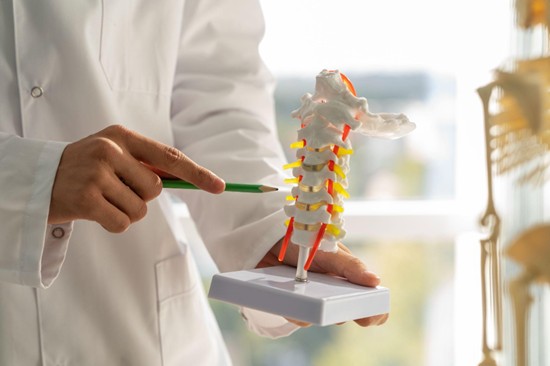
Dr. Saurabh Talekar, Orthopaedic & Spine Care Specialist, shares:
“Spine surgery is considered only when pain, nerve symptoms, or weakness continue despite proper conservative treatment. The aim is first to decompress the nerves and then stabilise the spine safely, so patients can move with confidence again.”
Experiencing knee discomfort that impacts your daily activities? Consult a qualified orthopedic specialist to explore the best treatment options for your needs.
Get in touch
When Is Posterior Lumbar Decompression, Fixation and Fusion Recommended?
Spine surgery is not the first line of treatment. Most back problems improve with non-surgical care such as medication, physiotherapy, posture correction, and lifestyle changes. Surgery is considered only when these measures fail or when nerve damage is progressing.
This procedure may be recommended when:
Conservative treatment has failed, including:
○ Physiotherapy
○ Core and back muscle strengthening
○ Stretching exercises
○ Lifestyle and activity modification
Severe or persistent back pain continues to interfere with daily activities
Leg pain, numbness, or tingling occurs due to nerve compression
Progressive muscle weakness in the foot, leg, knee, or hip is present
Bowel or bladder symptoms develop, such as difficulty passing urine or loss of bowel control
Spinal instability occurs due to degeneration, injury, or repeated disc problems
A clinical evaluation of the patient, along with imaging, can give a good idea whether the patient requires a decompression procedure with a fusion. Ultimately, the decision of whether or not to undergo surgery remains with the patient, in consultation with the orthopedic surgeon.
Conditions Treated with Posterior Lumbar Decompression and Fusion
Dr. Saurabh Talekar carefully evaluates each patient to identify the exact cause of pain, nerve compression, and spinal instability before recommending surgery. Depending on the condition, treatment may involve lumbar decompression procedures such as discectomy, followed by fixation and fusion for stability.
- Degenerative disc disease with spinal instability
- Nerve compression due to lumbar spinal stenosis
- Spondylolisthesis (slipped vertebra)
- Recurrent herniation of the lumbar discs
- Chronic lower back pain unresponsive to conservative care
- Weakness in the spine due to previous operation or trauma
It is the early and precise diagnosis that plays the main role in achieving better surgical outcomes and ensuring long-term health of the spine.
Persistent lower back pain, pain in the legs, or even weakness? Visit an Orthopaedic Surgeon in Kandivali, Mumbai, and let them help you understand whether lumbar decompression with fixation and fusion is the correct option for you.
Benefits of Posterior Lumbar Decompression, Fixation and Fusion
When performed for the right indications, this combined procedure can provide meaningful and long-lasting improvement.
Key benefits include:
- Relief from nerve compression and leg pain
- Improved spinal stability
- Reduction of chronic back pain
- Improved posture, confidence in movement
- Prevention of further damage to the spine
- Better functionality in daily activities
The procedure focuses on relieving nerve pressure while stabilising the spine and protecting surrounding structures.

Recovery After Posterior Lumbar Decompression and Fusion
Recovery after posterior lumbar decompression with fixation and fusion varies depending on the individual, the extent of surgery, and overall health. However, many patients find that recovery is faster than expected when proper guidance is followed.
Rehabilitation and Long-Term Recovery
- Physiotherapy, or physical therapy, is an absolute necessity during the recovery phase and often continues for 3 to 6 months
- Slowly, increased strength, flexibility, and spinal support develop during a rehabilitation process
- Returning to sports activities, weight lifting, squatting, or sitting cross-legged may require 6 to 9 months
First Few Days at Home
- Most patients can usually go back to ordinary daily home activities within 1-2 days
- Long-term bed rest is not required
- Guidance is provided on posture, walking, and safe movements
Immediately After Surgery
- Pain is controlled with medication
- Patients are normally mobilized on the second day of surgery under medical attendance
Transparency in the recovery process, follow-ups, and physiotherapy are crucial in the recovery process.
Why Choose Dr. Saurabh Talekar for Lumbar Decompression and Fusion?
Experience You Can Trust
Dr. Saurabh Talekar has extensive experience in managing complex spine conditions involving pain, nerve compression, and instability.
Personalised Treatment Planning
Each spinal condition is somewhat different, and therefore treatment is specific to the patient’s symptom pattern, his lifestyle, his job requirements, and the implications for his long-term spinal health.
Honest and Clear Communication
Trusted Orthopedic Surgeon in Kandivali, Mumbai
Patients appreciate surgical knowledge, but also a supportive and reassuring treatment approach during the course of disease and recovery.
FAQ’s
When is lumbar decompression with fixation and fusion needed?
When nerve compression, spinal instability, or muscle weakness causes ongoing pain or difficulty in daily activities despite conservative treatment.
Is this a major spine surgery?
It is a structured and well-planned procedure, performed only when necessary, with a focus on safety and long-term stability.
How soon can I walk after surgery?
The majority of patients will be encouraged to begin walking with assistance by the second day.
Is bed rest required after surgery?
No. Prolonged bed rest is not advised. Early movement helps recovery.
Will physiotherapy be needed after surgery?
Yes. Physiotherapy is important and usually goes on for three to six months.
Does spinal fusion permanently restrict movement?
Fusion stabilises the affected segment to reduce pain. Most patients regain comfortable and functional movement for daily activities.
Disclaimer: The information shared in this content is for educational purposes only and not for promotional use.