
Platelet-Rich Plasma (PRP) Treatment for Knee Arthritis
Living with knee arthritis can make even simple activities like climbing stairs, walking, or standing for long periods painful and frustrating. PRP (Platelet-Rich Plasma) therapy is a minimally invasive treatment that uses your body’s own healing power to reduce pain, improve joint function, and potentially delay the need for knee replacement surgery.
Dr. Saurabh Talekar, a trusted orthopedic surgeon with years of experience in knee care, personally guides each patient through the PRP process, ensuring safe and personalized treatment plans.
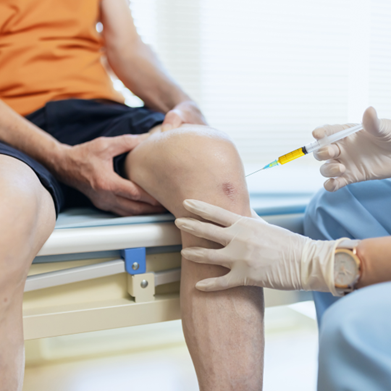
Dr. Saurabh Talekar, a caring Orthopedic Surgeon in Kandivali, shares:
“Living with knee arthritis can limit your daily life and make even simple activities painful. My approach with PRP therapy is to help patients reduce pain, regain mobility, and improve their quality of life using a minimally invasive, natural approach. Every patient receives a personalized plan, so they can enjoy movement and independence with confidence.”
Experiencing knee discomfort that impacts your daily activities? Consult a qualified orthopedic specialist to explore the best treatment options for your needs.
Get in touch
What is Platelet-Rich Plasma and How Does It Work for Knee Arthritis?

PRP is a natural therapy derived from your own blood. A small sample is drawn, processed to concentrate the healing platelets, and then injected into your knee joint.
These platelets release growth factors that may:
- Reduce inflammation in the knee
- Promote tissue repair
- Improve joint function and mobility
PRP works best in early to moderate knee arthritis, helping patients experience noticeable relief without surgery.
Who Can Benefit from PRP Therapy and Who Should Avoid
With training across Moscow, Belgium, and India, Dr. Talekar has extensive experience in both conventional and robotic total knee replacements. His expertise combines advanced surgical skills with a patient-first approach trained.
PRP is suitable for:
- Patients with mild to moderate knee osteoarthritis
- Those not finding relief from medications or physiotherapy
- People hoping to delay or avoid knee replacement surgery
- Patients seeking a natural, non-surgical option
PRP may not be suitable for:
- Severe arthritis or advanced cartilage damage
- Significant knee deformity or instability
- Active infections or bleeding disorders
- Patients expecting a complete “cure”
Regain mobility and reduce pain with PRP therapy for knee arthritis. Start today to improve joint function and enjoy daily activities again.
Who Can Benefit from PRP Therapy and Who Should Avoid
Pros:
- Minimally invasive with no hospital stay
- Uses your own blood, reducing risk of allergic reaction
- May reduce pain and stiffness and improve mobility
Can help delay surgery in selected patients
Cons / Limitations:
- Results vary by patient
- May require multiple sessions
- Improvement may take several weeks
Not a permanent cure for arthritis
PRP Procedure: What to Expect Before, During, and After Treatment
Before the Procedure:
- Consultation with Dr. Saurabh Talekar to assess your knee
- Routine blood test to ensure suitability
During the Procedure:
- Small blood sample is taken from your arm
- Blood is spun in a centrifuge to concentrate platelets
- PRP is injected into your knee under sterile conditions
After the Procedure:
- Mild swelling or soreness for 1–2 days is normal
- Avoid strenuous activity for about a week
- Gradual return to physiotherapy or daily activity as advised by Dr. Talekar
Concerned about the affordability of surgery? Consult an orthopedic expert to understand your options and plan a treatment suited to your health and budget.
How Effective Is PRP Combined with Hyaluronic Acid for Knee Treatment?

In some cases, Dr. Saurabh Talekar may recommend combining PRP with Hyaluronic Acid (HA). HA acts as a joint lubricant, and when combined with PRP, it may provide enhanced relief from pain and stiffness. This combination is personalized based on your knee condition and overall health.
Take charge of your knee health with PRP therapy. Reduce pain, delay surgery, and move comfortably every day
PRP Treatment Cost for Knee Arthritis
The cost of treatment depends on the type of injection recommended:
- PRP Therapy: Approximately ₹24,000 per session
- Hyaluronic Acid (HA) Injection: Approximately ₹24,000 per session
- PRP + HA Combination Therapy: Approximately ₹35,000 per session
The exact number of sessions required will depend on the severity of arthritis and your individual response to treatment. Dr. Saurabh Talekar will provide a detailed and personalized treatment plan during your consultation.
Why Choose Dr. Saurabh Talekar for PRP Treatment?

Choosing the right doctor is crucial for a safe and effective PRP treatment. Dr. Saurabh Talekar:
- Has years of experience in knee care and regenerative therapies
- Provides personalized treatment plans tailored to each patient
- Focuses on minimally invasive options to improve quality of life
- Guides patients through every step of the PRP procedure, recovery, and follow-up
With Dr. Talekar, you’re not just receiving treatment — you’re receiving expert guidance and care from a trusted orthopedic surgeon.
Frequently Asked Questions (FAQ)
How many PRP sessions are needed?
Most patients need 1–3 sessions, spaced several weeks apart, depending on severity.
When will I feel results?
Some patients notice improvement in 4–6 weeks, while others may take a few months.
Is PRP covered by insurance?
PRP is often considered elective and may not be covered, but your policy may vary.
Is the procedure painful?
Discomfort is minimal. Local anesthesia or numbing cream is used if needed.
Disclaimer: The information shared in this content is for educational purposes only and not for promotional use.