
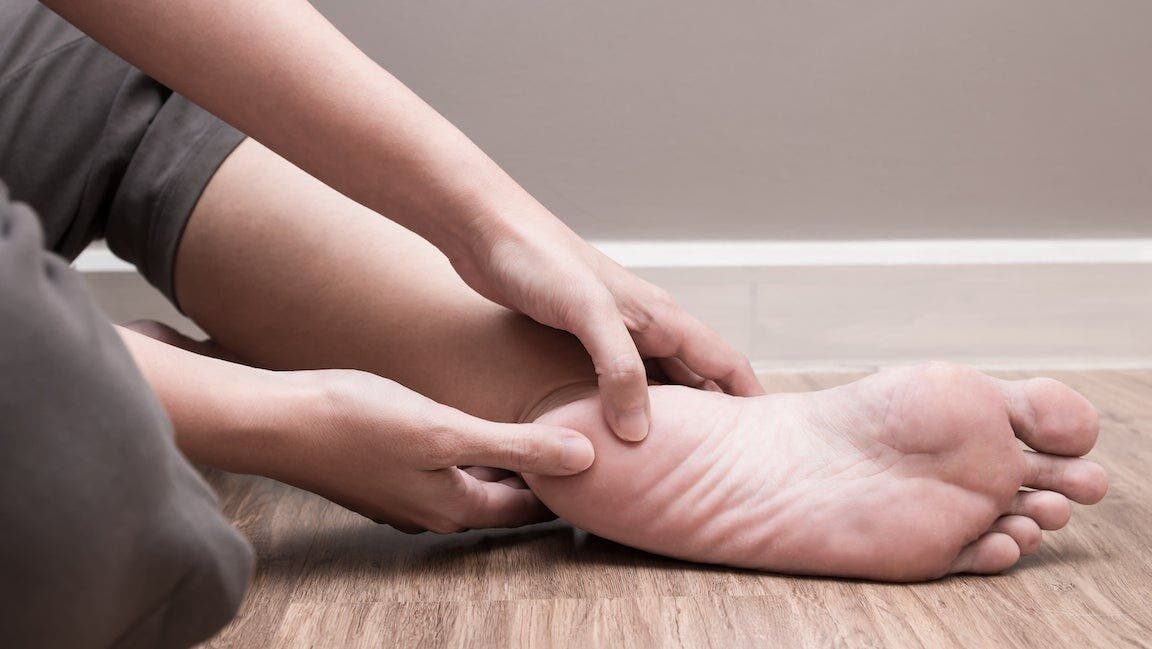
Plantar Fasciitis (Heel Pain) Treatment in Kandivali
Heel pain is common, especially after long hours of standing or walking. What may start as mild discomfort can gradually turn into persistent pain that affects daily activities, including the first steps in the morning.
One common cause is plantar fasciitis, which occurs when the plantar fascia — the thick band of tissue supporting the arch of the foot becomes irritated due to repeated stress.
While many cases improve with rest, stretching, physiotherapy, and proper footwear, some patients develop recalcitrant plantar fasciitis, where pain continues despite conservative treatment. In such cases, Dr. Saurabh Talekar, an Orthopedic Surgeon in Kandivali, Mumbai, may recommend advanced options such as PRP (Platelet-Rich Plasma) injections to help reduce inflammation and support healing.
Experiencing knee discomfort that impacts your daily activities? Consult a qualified orthopedic specialist to explore the best treatment options for your needs.
Get in touch
Treatment Options for Plantar Fasciitis in Kandivali
Treatment really depends on where you are in the journey. Someone dealing with early-stage heel pain has very different needs than someone who has been managing the condition for six months without real improvement.
Conservative Treatment
This is always the starting point. Before anything else, the aim is to take the pressure off the plantar fascia and create conditions where the tissue can recover naturally.
What this typically looks like:
Pulling back on activities that are making things worse
Regular stretching of the foot and calf — done correctly and consistently
Physiotherapy to rebuild flexibility and prevent the issue from returning
Moving to footwear that actually supports the foot, or using custom orthotics
Short-term use of anti-inflammatory medication when needed
A lot of patients are surprised by how much improvement they see just from getting these basics right.

Steroid Injections
For patients who have genuinely committed to conservative care and still aren’t seeing results, steroid injections are sometimes the next conversation. They work by directly reducing inflammation around the plantar fascia, which can bring meaningful relief when pain has become severe and persistent. This isn’t a first-line option — it’s considered when earlier measures simply haven’t been enough.

PRP Treatment for Chronic Plantar Fasciitis
Some patients experience heel pain that keeps returning or continues for several months despite treatment. This is often described as chronic or recalcitrant plantar fasciitis.
PRP therapy was developed with cases like these in mind. A small amount of the patient’s own blood is taken, the platelets are separated and concentrated, and then injected into the problem area. Those platelets carry growth factors that signal the body to begin repairing damaged tissue — essentially jump-starting a healing process that has stalled.
It’s not a quick fix and it’s not appropriate for everyone. But for the right patient, it can make a real difference when everything else has been tried.
If heel pain has been slowing you down and isn’t getting better with rest, it may be time to get it properly assessed. Reach out to an orthopedic specialist in Kandivali to understand what’s actually going on and what can be done about it.
Symptoms of Plantar Fasciitis
Plantar fasciitis usually develops gradually rather than appearing suddenly. In many cases, the pain is more noticeable during specific times of the day.
Common things patients report:
A sharp, stabbing sensation at the base of the heel
Morning pain that’s worst with those first few steps after getting up
Aching after standing in one place for a while
Pain that flares up after a walk or workout — sometimes more than during it
Stiffness along the arch, especially after periods of rest
If this has been going on for more than a few weeks, or if it’s starting to change how you move through your day, that’s reason enough to get it looked at.
Benefits of PRP Treatment for Heel Pain
PRP isn’t a new concept — it’s been used in orthopedic and sports medicine for years. What makes it particularly relevant for conditions like plantar fasciitis is that it works with the body rather than simply suppressing symptoms.
Here’s what makes it worth considering in appropriate cases:
It uses the patient’s own blood, so rejection or allergic reactions are not a concern
The growth factors in concentrated platelets actively support tissue repair — not just pain relief
The procedure itself is minimally invasive and doesn’t require surgery or significant downtime
For patients with stubborn, recurring heel pain, it offers a pathway that conservative treatment alone doesn’t provide
Results in suitable candidates can be long-lasting, not just temporary
That said, it’s a considered option — recommended when the clinical picture supports it, not as a routine first step.
Wondering if PRP therapy is the right next step for your heel pain? Book a consultation to get a clear picture of your options and find an approach that actually works for your situation.
Why Choose Dr. Saurabh Talekar for Plantar Fasciitis Treatment?

Heel pain sounds simple. In practice, getting it right takes more than a standard prescription and a follow-up appointment. The cause needs to be properly identified, and the treatment needs to be matched to the individual — not just the condition.
Accurate Diagnosis
Everything starts with a thorough clinical evaluation. Understanding the exact source of the pain is what shapes the entire treatment approach
Conservative First
The preference is always to resolve the issue without invasive intervention. Stretching plans, physiotherapy guidance, and footwear correction are exhausted before anything more advanced is considered.
Advanced Options When Needed
When conservative care isn’t enough, there are more targeted treatments available — including PRP injections — for patients who need them.
Care That Fits the Patient
Activity levels, lifestyle, how long the problem has been going on, what the patient’s recovery goals are — all of this shapes the plan. It’s not a template; it’s built around the person.
Frequently Asked Questions
How long does plantar fasciitis take to heal?
It genuinely varies. Mild cases often turn a corner within a few weeks when managed properly. Chronic cases can take several months, and some patients need more targeted treatment to get there. Early intervention tends to lead to faster recovery.
Can plantar fasciitis come back?
It can, yes — especially if the things that caused it in the first place aren’t addressed. Footwear, activity habits, calf tightness — these all matter even after the pain is gone.
Is PRP treatment painful?
Most patients find it very manageable. There can be some soreness at the injection site for a day or two afterward, but it settles relatively quickly and is considered minor compared to the ongoing pain of untreated plantar fasciitis.
When should I see a doctor for heel pain?
If the pain has been around for more than a few weeks, is getting worse rather than better, or is affecting how you walk and go about your day — don’t wait. Earlier evaluation means more options and usually a faster path to recovery.
Disclaimer: The information shared in this content is for educational purposes only and not for promotional use.