Lumbar Discectomy Surgery in Kandivali, Mumbai
Lower back pain can quietly take over your life. What begins as mild discomfort often turns into sharp leg pain, numbness, or weakness that makes sitting, walking, or even sleeping difficult. For many patients, this pain comes from a slipped disc (herniated disc) in the lower spine.
At Dr. Saurabh Talekar’s clinic, led by a trusted Orthopedic Surgeon in Kandivali, Mumbai, we understand how frustrating and exhausting chronic back pain can be. Lumbar discectomy surgery is recommended only when pain does not improve with rest, medicines, or physiotherapy — and when it starts affecting your daily life.
Our focus is simple: relieve nerve pressure, reduce pain, and help you return to normal movement safely and confidently.
Dr. Saurabh Talekar, Orthopaedic & Spine Care Specialist in Kandivali, shares:
“Lumbar discectomy is considered only when persistent back or leg pain from a slipped disc does not respond to conservative treatment. My approach is always to relieve nerve pressure safely, reduce pain, and help patients return to comfortable, confident movement.”
Struggling with long-standing back or leg pain? Consult an Orthopedic Surgeon in Kandivali, Mumbai to know if lumbar discectomy is right for you.
Get in touch
Conditions Treated with Lumbar Discectomy by Dr. Saurabh Talekar
Lumbar discectomy is performed to relieve pressure on spinal nerves caused by disc-related problems. This pressure is often the reason behind severe pain and nerve symptoms.
Common conditions treated include
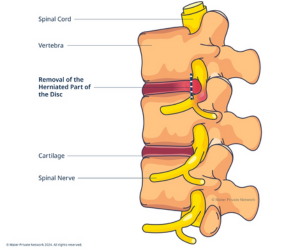
Slipped (Herniated) Disc
When the soft inner part of a spinal disc bulges out, it can press on nearby nerves, causing back pain that travels down the leg.
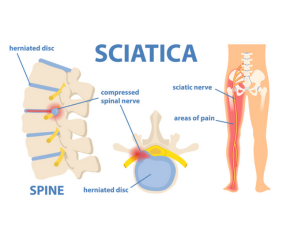
Sciatica
A sharp, burning pain that runs from the lower back through the hip and leg. Lumbar discectomy helps by removing the disc material pressing on the sciatic nerve.
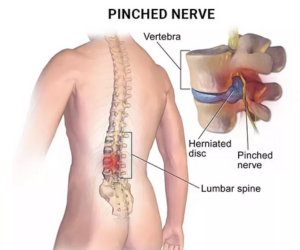
Nerve Compression Symptoms
Persistent numbness, tingling, or weakness in the legs or feet that does not improve with conservative treatment.
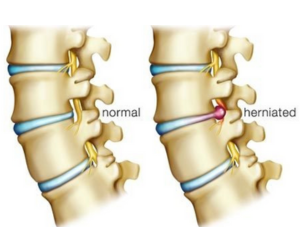
Disc Prolapse Not Responding to Treatment
When physiotherapy, medications, and lifestyle changes fail to provide relief after several weeks, surgery may be advised.
If your back pain is constant or worsening despite treatment, don’t ignore it. Early evaluation can prevent long-term nerve damage.
Types of Lumbar Discectomy Procedures
Not every patient needs the same type of surgery. Dr. Saurabh Talekar carefully evaluates your scans, symptoms, and lifestyle before recommending the most suitable approach.
Open Lumbar Discectomy
This is the traditional method where a small incision is made to remove the problematic disc portion. It is effective and reliable, especially in complex cases.
Microdiscectomy
Recovery After Lumbar Discectomy
Recovery after lumbar discectomy is often smoother than patients expect — especially when surgery is done at the right time.
Immediately After Surgery
Most patients experience significant leg pain relief within days. Hospital stay is usually short, and walking is encouraged early.
First Few Weeks
Light activities can be resumed gradually. Sitting for long hours and heavy lifting are avoided. Pain reduces steadily as nerves heal.
Physiotherapy & Rehabilitation
Guided exercises help strengthen back muscles, improve flexibility, and prevent future disc problems.
Long-Term Recovery
Worried about recovery time? Speak to Dr. Saurabh Talekar to understand what recovery will look like for your specific condition.
Why Choose Dr. Saurabh Talekar for Lumbar Discectomy Surgery?
Experience That Brings Confidence
Dr. Saurabh Talekar has extensive experience in managing spine-related conditions. His surgical decisions are guided by what truly benefits the patient — not rushing into surgery unless it’s necessary.
Clear, Honest Guidance
You’ll never feel confused or pressured. Every scan, report, and treatment option is explained in simple terms so you know exactly what’s happening with your spine.
Focus on Conservative First, Surgery When Needed
Many patients get better without surgery. Lumbar discectomy is recommended only when non-surgical treatments fail or nerve symptoms worsen.
Personalised Care, Not One-Size-Fits-All
Trusted Orthopedic Surgeon in Kandivali, Mumbai
Back pain doesn’t have to control your life. Book a consultation with an experienced Orthopedic Surgeon in Kandivali, Mumbai today.
FAQs – Lumbar Discectomy Surgery
1. When should I consider lumbar discectomy surgery?
If leg pain, numbness, or weakness continues for weeks despite medicines and physiotherapy, surgery may be advised to prevent nerve damage.
2. When does a neurological deficit causing weakness require lumbar discectomy surgery?
Lumbar discectomy may be required when nerve compression leads to:
● Severe or unbearable pain that does not improve with treatment
● Loss of control over urine or bowel movements
These symptoms indicate significant nerve involvement and need urgent medical attention.
3. Is lumbar discectomy a major surgery?
It is considered a routine spine procedure today. With modern techniques, it is safe, precise, and involves a relatively quick recovery.
4. Will my back pain go away completely after surgery?
Leg pain improves quickly. Mild back stiffness may take time, but proper rehabilitation helps achieve long-term relief.
5. How soon can I return to work?
Many patients return to desk work within 2–4 weeks. Physically demanding jobs may require more recovery time.
6. Can the disc problem come back?
Recurrence is rare but possible. Maintaining good posture, exercise, and spine care significantly reduces the risk.
Disclaimer: The information shared in this content is for educational purposes only and not for promotional use.