
Lumbar Decompression Surgery in Kandivali, Mumbai

Living with ongoing lower back pain, leg pain, or numbness can slowly start to wear you down. Things you once did without thinking—walking comfortably, standing for a short while, or getting a good night’s sleep—can begin to feel difficult and frustrating. Over time, this discomfort can affect not just your body, but also your confidence and daily routine.

Lumbar decompression surgery is performed to relieve pressure on the nerves in the lower spine and help reduce pain caused by nerve compression. Dr. Saurabh Talekar, Orthopedic Surgeon in Kandivali, Mumbai, performs this procedure with a gentle, patient-focused approach aimed at restoring ease of movement and improving daily comfort. Each case is carefully evaluated, and surgery is recommended only when non-surgical treatments have not provided lasting relief.
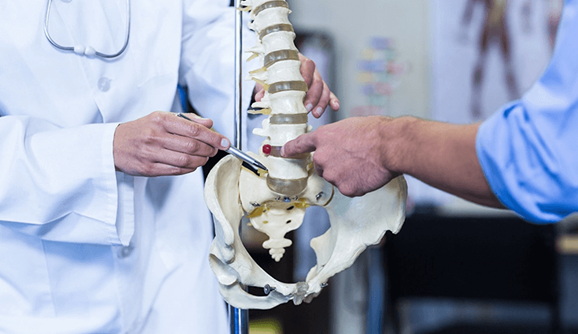
Dr. Saurabh Talekar, Orthopaedic & Spine Care Specialist in Kandivali, explains:

“Lumbar decompression surgery is considered only when nerve compression continues to affect walking, strength, or daily comfort, even after conservative treatment. My priority is always to relieve pressure on the nerves safely and help patients move with greater ease and confidence again.”

 Struggling with long-standing back or leg pain? Consult an Orthopedic Surgeon in Kandivali, Mumbai to know if lumbar discectomy is right for you.

Get in touch

Conditions Treated with Lumbar Decompression Surgery by Dr. Saurabh Talekar

The spinal decompression surgery is prescribed for patients in whom the symptoms have been unrelieved by medicines, physio, or lifestyle change. Dr. Saurabh Talekar examines the patient thoroughly for the precise reason of nerve compression.

This surgery is usually recommended for:

E
Lumbar spinal stenosis: where the spinal canal becomes narrower and puts pressure on the nerves
E
Nerve compression in the lower back leading to chronic pain
E
Sciatica, with pain referring from the lower back down through the legs
E
Numbness, tingling, weakness in one or both legs
E
Lack of ability to walk or stand for extended periods of time
E
Back and Leg Pain Interfering with Daily Activities and Sleep

Early treatment prevents further damage to the nerves and ensures better surgery results.

Ongoing back or leg pain? Consult an orthopedic surgeon in Kandivali, Mumbai to see if lumbar decompression surgery is right for you.

Types of Lumbar Decompression Surgery Procedures

Lumbar decompression is not a one-size-fits-all procedure. The type of surgery recommended depends on what is causing the nerve pressure, how severe the symptoms are, and the overall health of the spine. After a detailed clinical assessment and review of scans, Dr. Saurabh Talekar advises the option that is most appropriate for each individual patient.

Common lumbar decompression procedures include:

Z

Laminectomy

In this procedure, a small portion of bone is removed to create more space within the spinal canal, helping relieve pressure on compressed nerves.
Z

Laminotomy

A more focused approach where only a part of the bone is removed. This allows nerve relief while maintaining as much spinal stability as possible.
Z

Lumbar Discectomy

Lumbar discectomy involves removing the herniated or bulging portion of a spinal disc that is pressing on a nerve. It is commonly performed as part of a lumbar decompression procedure when disc-related nerve compression causes pain, numbness, or weakness.

Z

Minimally Invasive Lumbar Decompression

When suitable, decompression can be performed through smaller incisions. This approach may result in less tissue disruption, reduced post-operative discomfort, and a quicker recovery.

While the techniques may differ, the aim of every lumbar decompression procedure remains the same — to safely relieve nerve pressure while preserving spinal strength and function.

Recovery After Lumbar Decompression Surgery

Recovery after lumbar decompression surgery varies from person to person and depends on the type of procedure performed, the severity of nerve compression, and overall health. Modern recovery protocols focus on early and safe mobilisation rather than prolonged bed rest.
E
Many patients experience relief from leg pain soon after surgery, often within the first few days, which can be very reassuring after long-standing discomfort. The emphasis is on getting patients out of bed and moving as early as Day 1 after surgery, under medical supervision, to promote circulation and healing.
E
There is no extended period of strict bed rest. Patients are encouraged to walk, change positions, and remain gently active. Within 3–4 days after surgery, most patients can comfortably use the washroom independently and resume light household activities.
E
Over the following weeks, patients gradually return to daily routines at a comfortable pace. Clear guidance is provided on posture, safe movements, and physiotherapy to protect the spine and rebuild strength.
E
Physiotherapy plays an important role in improving flexibility, balance, and confidence while moving. With regular rehabilitation and adherence to medical advice, most patients experience improved mobility, reduced pain, and a better quality of life.
E
Dr. Saurabh Talekar remains closely involved throughout the recovery process, providing post-operative guidance and follow-up care to ensure healing is safe, smooth, and effective.
Worried about recovery time or returning to normal activities? Speak with an orthopedic specialist to understand what recovery may look like for your specific condition.

Why Choose Dr. Saurabh Talekar for Lumbar Decompression Surgery?

E

Experience You Can Trust

Dr. Saurabh Talekar has considerable experience dealing with the lumbar spine, particularly where it leads to nerve compression and pain. All surgical options are always made with what is best for the patient in mind, never hastened.
E

Clear, Honest Communication

Spine problems can feel confusing and worrying. Every scan, report, and treatment option is explained in simple terms, so patients understand their condition and feel confident about the next steps.
E

Conservative Treatment First, Surgery When Necessary

Not all back pain requires surgery. Lumbar decompression is recommended only when non-surgical treatments fail or when nerve symptoms begin to worsen.
E

Personalised Treatment Planning

No two spine problems are the same. Treatment is planned around each patient’s pain level, lifestyle, work demands, and long-term spinal health.
E

Trusted Orthopedic Surgeon in Kandivali, Mumbai

Patients choose Dr. Talekar not only for his surgical skills, but also for his calm, reassuring approach and continued support throughout recovery.

Frequently Asked Questions

When is lumbar decompression surgery needed?
When nerve compression is associated with constant pain, weakness, and difficulty in walking which fail to respond to conservative management.
Is lumbar decompression surgery painful?
Pain can be effectively managed with modern anesthetic and post-operative management. Many patients attain significant pain relief from nerve pain following surgery.
How long does recovery take?
Recovery time may vary according to the surgical procedure and the body’s healing abilities, but most patients are able to get back to their normal activities in a few weeks.
Will physiotherapy be required after surgery?
Yes. Physiotherapy helps play an important role in improving back strength and flexibility after surgery.
Is lumbar discectomy the same thing as lumbar decompression surgery?
Lumbar discectomy is another form of lumbar decompression surgery, and it is generally performed if there is a herniated disc causing nerve pressure.

Disclaimer: The information shared in this content is for educational purposes only and not for promotional use.